How to Build a 72-Hour Emergency Kit

Jordan C. Hale is the lead preparedness writer at Black Camo Tips. He focuses on household readiness systems and practical gear planning.
A 72-hour kit covers the most common emergency window: short outages, weather disruptions, and rapid relocation. The goal is reliability, not tactical overload.
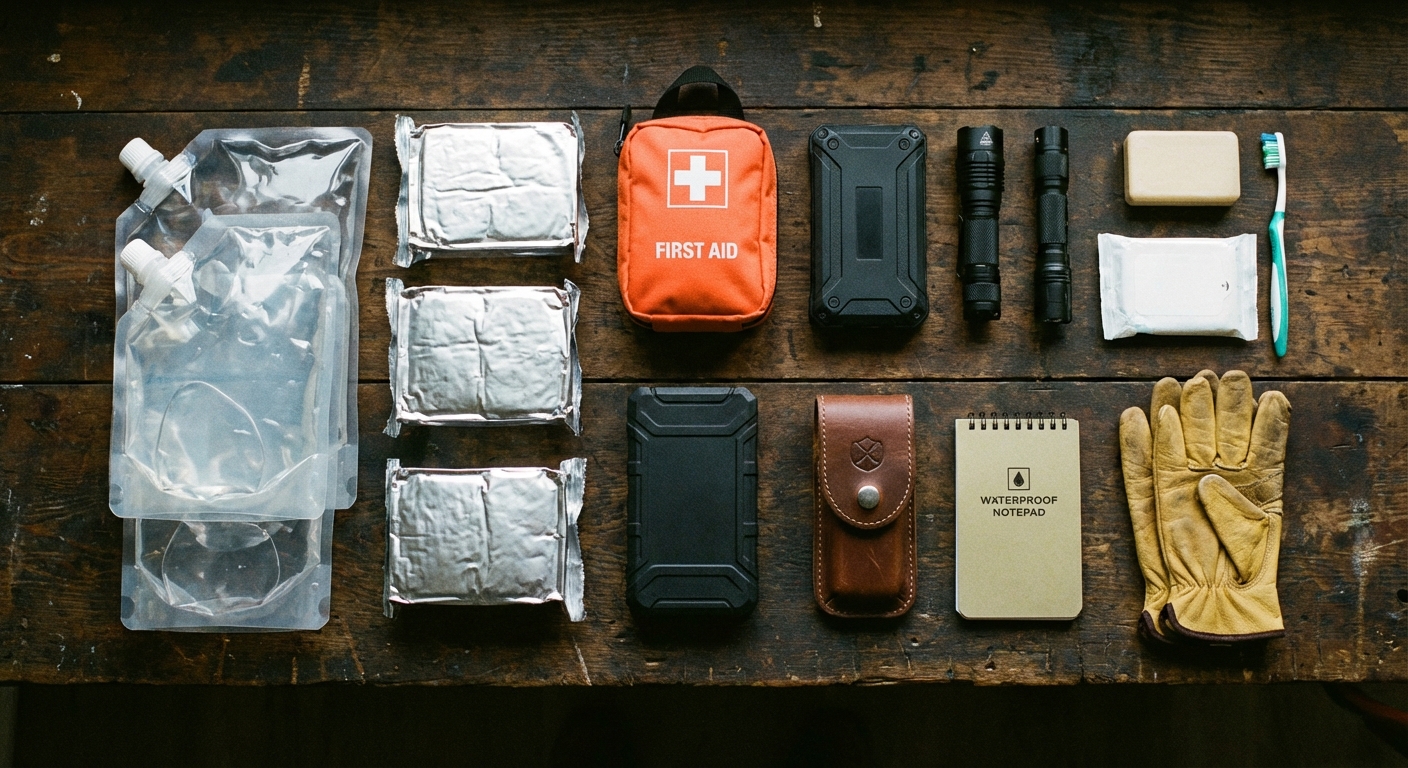
Core Quantity Targets Per Adult
| Category | Target | Notes |
|---|---|---|
| Water | 3 gallons | One gallon per day for drinking and basic hygiene. |
| Calories | 6,000 to 7,500 kcal | Focus on shelf-stable items requiring low prep. |
| Lighting | 2 light sources | Headlamp plus backup flashlight. |
| Power | 1 battery bank | At least 10,000 mAh with tested cables. |
| Medical | 1 compact first-aid kit | Add personal medications and allergy care. |
Get the Printable 72-Hour Kit Checklist
Download the field-ready checklist and restock tracker. Enter your email and we will send you to the instant download page.
What Most People Forget
- Prescription refill plan and printed medication list.
- Copies of IDs and policy numbers in a waterproof pouch.
- Sanitation items (wipes, trash bags, gloves).
- Kids and pet-specific food and care supplies.
Maintenance rule: Put a recurring calendar reminder every 90 days to rotate food, test batteries, and replace expired medical items.
Storage Setup
Use one grab-and-go container per household member when possible. Keep all kits in a single accessible location near your exit path.
Sources
- Ready.gov emergency kit framework (accessed March 9, 2026).
- American Red Cross preparedness recommendations (accessed March 9, 2026).
Want the Full Printable Guide?
Grab the one-page checklist plus the 90-day maintenance schedule.
Next guide: Water Storage and Purification Basics